
Opinion
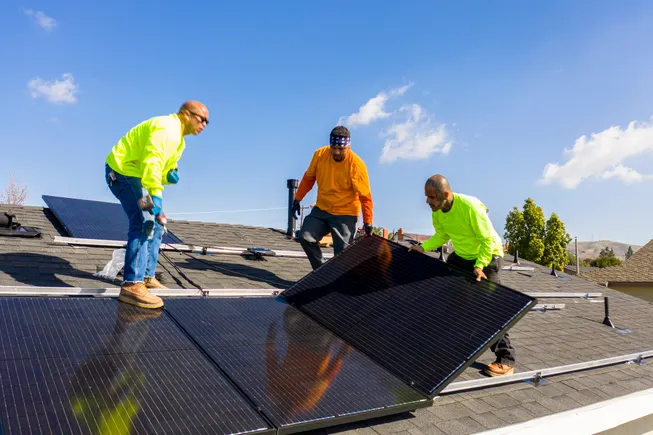
U.S. Clean Energy Manufacturing Faces Skilled Talent Shortage, Multi-Party Cooperation May Be Key to Breaking the Deadlock
The U.S. clean energy manufacturing industry faces challenges due to a lack of sufficiently skilled workers, but through public-private partnerships and collaborations between community colleges and industry, a talent pipeline can be built to support industry growth and independence.

Three ESG Reporting Lessons CFOs Can Learn from SOX Compliance
Facing 600 global ESG standards and increasing disclosure requirements, CFOs can learn from SOX compliance experience: viewing reporting as a strategic opportunity beyond compliance, tolerating initial data imperfections while continuously improving, and investing in digital tools such as CPM to efficiently manage ESG data.
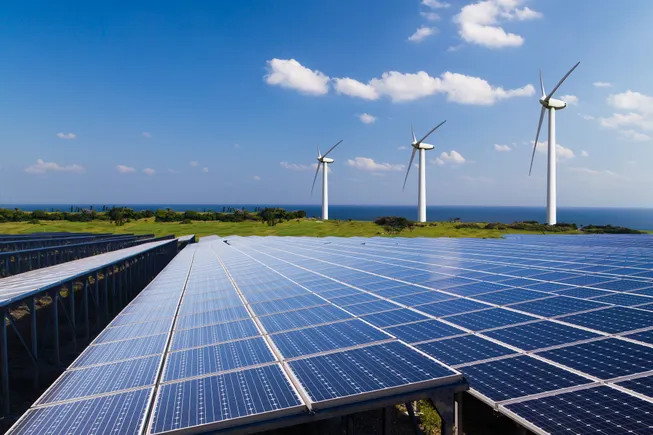
Green Investment Is Timely: Why Private Equity Should Lead the Sustainable Transition
As global climate governance accelerates, the U.S. Securities and Exchange Commission adopted final rules on climate-related information disclosure on March 6, 2024. Against this backdrop, private equity funds face unique investment opportunities: investing in green enterprises can both respond to environmental and social demands and generate substantial returns. This article argues from five perspectives why private equity should prioritize allocating to green assets, noting that this strategy combines moral necessity with long-term value creation logic.

Three Fundamental Defects in Scope 2 Emission Accounting and Their Remediation Paths
Electricity buyers have become a significant force in clean energy deployment, but current Scope 2 emission accounting rules suffer from three fundamental defects: they fail to accurately measure emissions from electricity purchases, overlook the value of stable carbon-free electricity and flexible resources, and do not prioritize estimating actual emission reductions. The article proposes four improvement recommendations and emphasizes the necessity of introducing both attributional and consequential metrics.
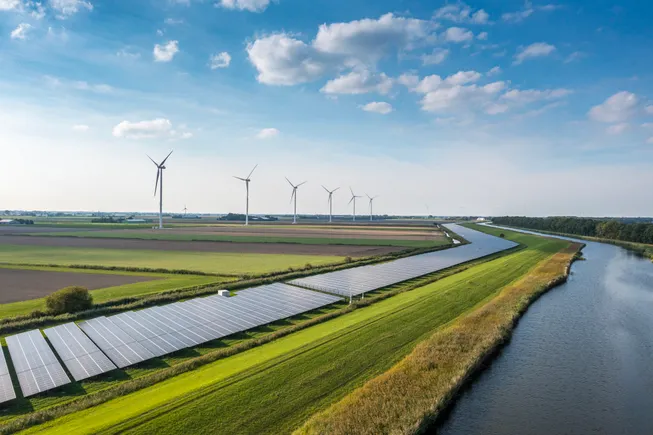
Utility companies should play a greater role in the energy transition
As the 54th Earth Day approaches, the urgency of the climate crisis is highlighted. The article points out that utility companies should seize the investment opportunities brought by the Inflation Reduction Act, formulate decarbonization strategies aligned with the 1.5°C pathway, actively support transmission construction, and ensure the fairness of the energy transition.
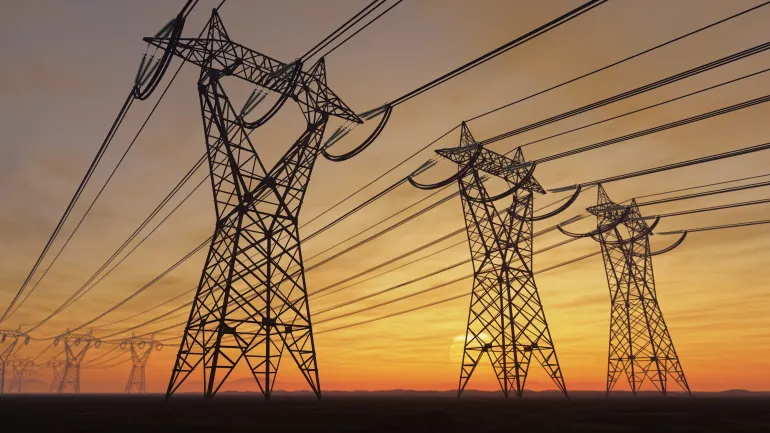
The core challenge to grid reliability lies in governance mechanisms, not changes in resource structure
After extreme weather events, Republicans often blame renewable energy for grid reliability issues, but a white paper jointly released by scholars from the University of Michigan, the University of Chicago, the University of Pennsylvania, and others indicates that the real problem lies in an outdated, fragmented grid governance system influenced by traditional fossil fuel interest groups. The article analyzes two major governance challenges: fragmented regulatory goals and private-sector dominance in decision-making, and proposes reform recommendations, including strengthening public representation and enhancing FERC's coordination role.
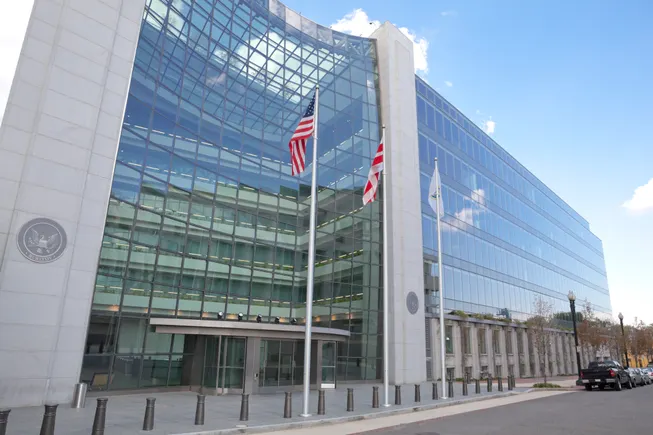
SEC Rules: Climate Risk Is Financial Risk
The U.S. Securities and Exchange Commission (SEC) recently passed climate disclosure rules by a 3-2 vote, marking the regulator's formal inclusion of climate risk within the framework of financial risk assessment. The rules require large accelerated filers to disclose material Scope 1 and Scope 2 emissions starting in 2027 and to report extreme weather-related costs in audited financial statements starting in 2026. Scope 3 emission requirements were excluded, but other global regulatory frameworks (such as CSRD and ISSB) still mandate such disclosures. Analysts note that despite the ambiguity of the rules, the regulatory trend toward global climate information disclosure is irreversible.

Corporate ESG Reporting Roadmap: Practices and Outlook from eBay's Chief Sustainability Officer
Facing growing pressure from investors, regulators, customers, and other stakeholders, the importance of corporate ESG (Environmental, Social, and Governance) information disclosure continues to rise. eBay's Chief Sustainability Officer Renee Morin, drawing on her own experience, identifies three major ESG trends companies need to address in 2024: a surge in regulatory disclosure requirements, expanding investor influence, and deepening consumer focus on sustainability. The article details how eBay addresses these challenges through a cross-functional ESG committee, close collaboration with investors, and re-commerce practices, and emphasizes the benefits of proactive disclosure and data system development for long-term corporate value.
EU Corporate Sustainability Due Diligence Directive to Take Effect Soon
The EU's Corporate Sustainability Due Diligence Directive (CS3D) is expected to be officially promulgated in the near future, directly affecting large US enterprises with annual EU business volumes of $300 million or more. The directive requires companies to conduct due diligence on the environmental and human rights impacts of their supply chains, complementing regulations such as CSRD. This article, written by Makersite CEO Neil D'Souza, explores CS3D compliance key points, audit resource gaps, and recommended corporate responses.

Net Zero in the U.S. Is Still Possible: Three Ready-Made Solutions Explained
As COP28 convenes, whether the United States can achieve its net-zero emissions goal by 2050 has become a focal point. Research from the ICF Climate Center indicates that with existing technologies, the U.S. can cut nearly 90% of emissions, with the key lying in scaling up electric vehicles, comprehensively retrofitting buildings, and expanding the share of clean energy. However, this path faces practical obstacles such as battery supply chains, grid expansion, and slow building retrofits, requiring coordinated efforts from government, businesses, and the public.