
Deep Dive
来自我们记者的行业洞察
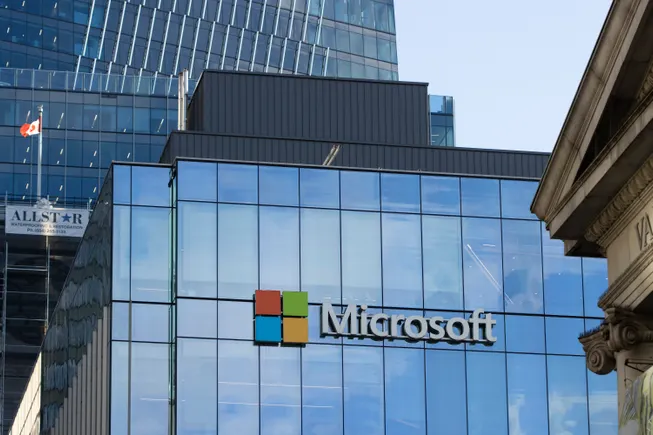
Microsoft, Qcells expand partnership to power growing AI infrastructure
Microsoft and Qcells announced an expanded partnership to explore new models for adding power generation capacity to support AI data center expansion. Microsoft will fund the electricity needed for its data center operations, while Qcells will develop and build new capacity and supply power to Microsoft or utility companies. The two parties also plan to integrate residential and commercial battery resources through virtual power plants to reduce peak demand and customer electricity bills.
World Bank raises $4B through new sustainable development bond
The World Bank Group announced that it raised $4 billion through a newly issued seven-year sustainable development bond, issued by the International Bank for Reconstruction and Development, which saw strong market demand with total orders exceeding $11 billion. The bond will mature in August 2033, carries a coupon rate of 4.50%, and will be listed on the Luxembourg Stock Exchange.

Companies that roll back DEI don’t perform better financially, study says
In a report released on August 14, University of California, Berkeley public policy scholar Jacob Grumbach noted that S&P 500 companies that maintained diversity, equity, and inclusion (DEI) commitments amid political pressure performed comparably to or better than peers that withdrew them. Based on two metrics—corporate revenue and abnormal stock returns—the report found that companies maintaining DEI were not penalized by the market for sticking with such programs. This conclusion contrasts with the prevailing corporate logic that DEI carries legal risks under the current administration.
Citi reports sustainable finance progress, sets new 2030 goals
In its latest sustainability report, Citigroup disclosed cumulative sustainable finance commitments of $647.2 billion since 2020, with $91.3 billion added in 2025. The bank has achieved 75% of its 2025 operational sustainability goals and, based on a 2025 baseline, has set new 2030 targets to reduce energy consumption and operational emissions.
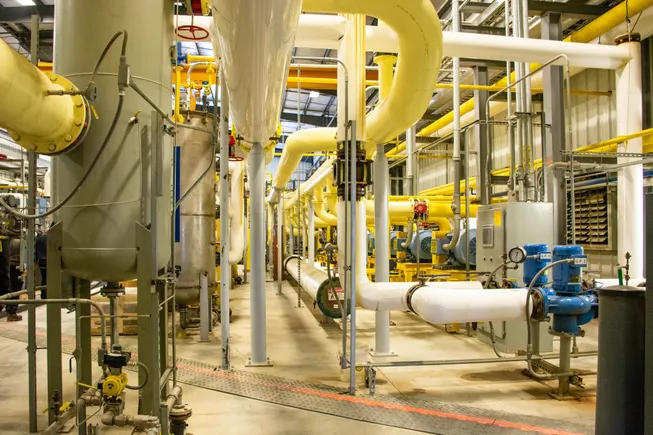
BP Announces Planned Divestiture of Archaea Energy RNG Unit
BP intends to divest Archaea Energy, the renewable natural gas business it acquired four years ago for roughly $4.1 billion. CEO Meg O'Neill disclosed the plan on Tuesday's earnings call, framing the move as part of a portfolio simplification strategy that favors capital-light approaches over Archaea's capital-intensive model. The company has already received buyer interest. The announcement follows significant investment in Archaea, which has expanded projects with major landfill operators and was expected to reach positive cash flow by 2026.
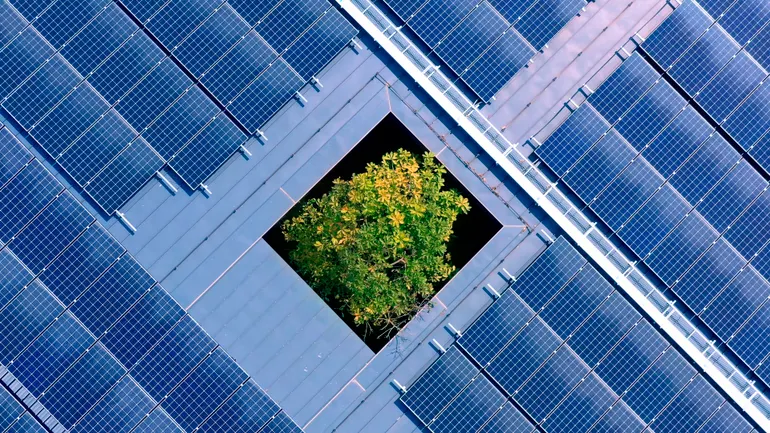
Companies face fragmented climate risk disclosure landscape in 2026
After years of progress toward consensus on climate risk disclosure, the global regulatory environment facing enterprises in 2026 has expanded in both complexity and scope. Measures taken by regulators in the United States and the European Union last year have driven the two sides further apart on this issue, intensifying regional fragmentation. However, this year more jurisdictions will implement climate disclosure regulations, requiring enterprises to have specific data governance processes. Although some enterprises have reduced publicity of their sustainability efforts, according to Carole Laible, CEO of Domini Impact Investments, corporate climate disclosure has not weakened as a result.

Most companies are staying the course on ESG — just talking about it less
Since the term "ESG" was introduced in a 2004 United Nations report, it has evolved from a risk management framework into a highly politicized term. Under current federal government pressure, companies have generally reduced their use of the term, but experts point out that most firms have not abandoned their sustainability commitments; instead, they are adjusting their communication methods by linking goals to business strategy. Data shows that in 2024, only 25% of S&P 100 companies used "ESG" in their annual reports, a significant drop from 40% in 2023. Meanwhile, an Accenture report indicates that 41% of the global top 2000 companies have set net-zero targets across their full value chain, up from 27% in 2024.

4 trends that will shape ESG in 2026
In 2025, the U.S. federal government pushed for deregulation of ESG-related rules, the EU simplified its sustainable disclosure rules, and California's climate disclosure law faced judicial challenges. Entering 2026, companies must navigate a shifting regulatory landscape while the green economy continues to grow, and corporate communication strategies turn cautious. This article outlines four key trends.
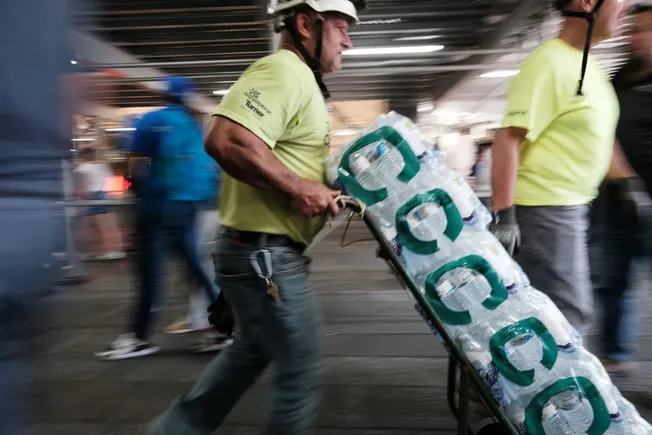
How to protect employees from heat and other climate extremes
The high temperatures that swept across the eastern, central, and southern United States last month once again highlighted the real threat extreme weather poses to workers. Data shows that between 2011 and 2022, an average of 40 workers died annually in the United States due to heat exposure in the workplace. Faced with increasingly frequent extreme weather, how can companies systematically protect employees, from hydration and rest to training and emergency response plans? This article, integrating OSHA data, expert insights from Climate Central, and practices across multiple industries, provides an actionable risk management framework.

Are employers still sponsoring Pride this year amid DEI rollbacks?
As U.S. corporations broadly retreat from diversity, equity, and inclusion (DEI) commitments, whether employers will continue to sponsor Pride-related events during Pride Month 2025 has become a focal point. Through the WorldPride case, corporate statements, and feedback from event organizers, this article examines the economic and political considerations behind corporate participation.