
Utility companies should play a greater role in the energy transition
As the 54th Earth Day approaches, the urgency of the climate crisis is highlighted. The article points out that utility companies should seize the investment opportunities brought by the Inflation Reduction Act, formulate decarbonization strategies aligned with the 1.5°C pathway, actively support transmission construction, and ensure the fairness of the energy transition.
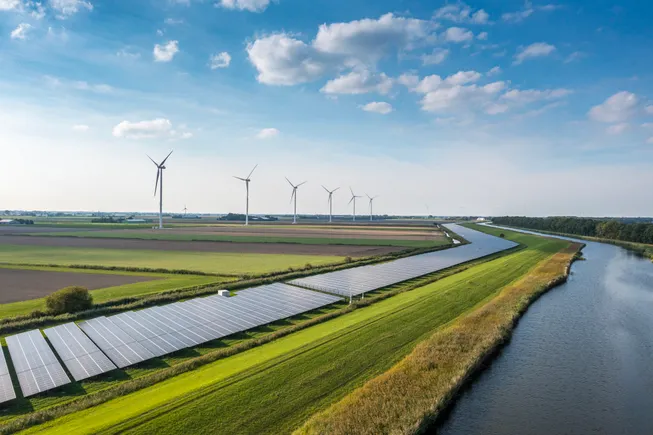
As the United States marks its 54th Earth Day next week, in the face of climate change and the urgent risks it poses to communities and economies, we must recognize the critical role the power sector must play in driving the clean energy transition.
The Inflation Reduction Act has spurred $464 billion in private sector investment in clean energy projects and other technological improvements in the power sector, providing a ripe moment for utility companies to lead the nation toward a more sustainable, efficient, and equitable energy future.
It is well known that underrepresented communities are disproportionately affected by climate change. These marginalized groups often bear the brunt of extreme weather events such as floods, fires, and hurricanes. Research shows that low-income households in the United States face longer and more difficult recovery journeys after disasters and suffer long-term negative financial impacts. At the same time, these groups are also exposed to higher levels of pollution from polluting power plants, refineries, and diesel vehicle emissions.
Compared to wealthier communities, they also face more barriers in accessing clean energy technologies. Utility companies should support the electrification of transportation, buildings, and industry, as this aligns with both their own financial interests and those of shareholders. Electrification means more capital investment for power companies. If implemented properly, electrification will become a low-cost option that benefits consumers. This includes adopting strategies such as deep hybrid electrification to manage grid capacity demands and avoid rising costs for consumers.
Technologies such as heat pumps and electric vehicles are efficient, have low operating costs, and are increasingly prevalent. The expansion of infrastructure for these technologies will depend on the power sector.
So, how should power companies support this evolution?
Develop decarbonization strategies aligned with the 1.5°C pathway
Power companies should develop decarbonization strategies aligned with the 1.5°C pathway. To this end, utility companies need to maximize the opportunities presented by the Inflation Reduction Act and the Infrastructure Investment and Jobs Act, and continue to support policies such as EPA Section 111, which aim to limit emissions from new and existing power plants.
The EPA has a strong track record of predicting the feasibility of pollution control standards, despite frequent claims that these standards are too costly or difficult to achieve. In fact, we find that these standards themselves help drive innovation and progress, while promoting economic growth, reducing costs, and improving public health.
Engage more proactively with policymakers
Given the increasingly urgent financial risks of climate change, utility companies must engage more proactively with state and federal policymakers. For example, we know that building new and upgrading transmission lines is crucial to achieving decarbonization goals and avoiding the worst impacts of an overheated planet, so utility companies should play a constructive role in supporting transmission development, rather than merely protecting their service areas from external forces.
Although utility companies can participate in climate policy engagement and advocate for meaningful climate commitments, many also often undermine this support through lobbying at the state and local levels. For example, a recent report by Ceres examined the policy engagement of the 12 largest utility companies in the United States and found that over the past three years, all of these companies have simultaneously lobbied both for and against policies aligned with the Paris Agreement.
Positively influence the advocacy of industry associations
Power companies should also actively engage with industry associations to influence these organizations' advocacy on climate policy. Companies must assess the climate lobbying behavior of their industry associations and communicate with them to ensure these influential organizations reflect the views of member companies and support their long-term interests.
Integrate justice and equity into sustainability plans
Sustainability plans in the power sector must also comprehensively integrate justice and equity, particularly accessibility and affordability, as these are fundamental requirements for building a viable system.
Although climate change brings significant risks, it also presents enormous opportunities—but these opportunities must be accessible to all. For example, utility companies should provide upfront support for residential electrification and decarbonization measures for low- and moderate-income customers, preventing them from being locked into existing fossil fuel systems, which face the prospect of rising costs due to a shrinking customer base and reduced natural gas usage.
Energy equity creates multiple shared benefits among customers, utility companies, and their investors, helping to optimize the overall system. This will bring tangible benefits, including lower energy bills, improved air quality, better health, and increased job opportunities.
As we reflect on another upcoming Earth Day, we must recognize that environmental sustainability and financial stability go hand in hand, and utility-driven electrification will lead the way to a brighter future.