
U.S. Clean Energy Manufacturing Faces Skilled Talent Shortage, Multi-Party Cooperation May Be Key to Breaking the Deadlock
The U.S. clean energy manufacturing industry faces challenges due to a lack of sufficiently skilled workers, but through public-private partnerships and collaborations between community colleges and industry, a talent pipeline can be built to support industry growth and independence.
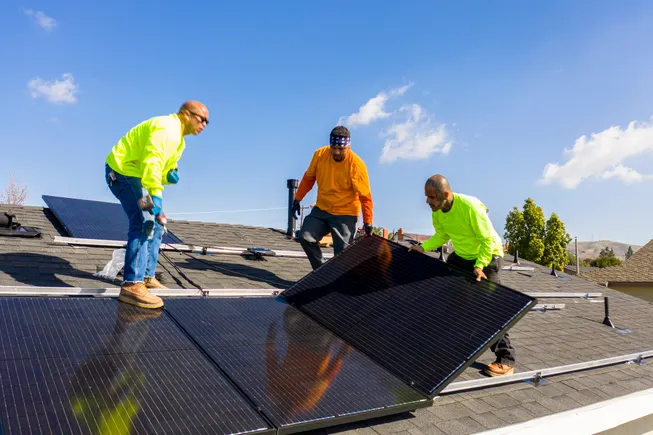
China's advantage in the clean energy manufacturing sector stems from its long-term investment in manufacturing infrastructure, covering both physical assets and skilled talent. If the United States is to achieve independence and success in the new energy economy, it must build large-scale production capacity domestically.
In the last century, collaboration between the private sector and government programs reshaped America's infrastructure and industrial capacity while creating new opportunities for millions of workers. Today, public-private partnerships can play a similar role in the clean energy transition, and workforce development will be a key component of this effort.
The Urgency of Clean Energy Manufacturing
Investing in America's manufacturing base is crucial to supporting economic growth and independence. Domestic manufacturing capacity helps enhance economic resilience, reduce vulnerability to global supply chain disruptions, and strengthen communities through job creation. Advanced technologies in manufacturing processes and products can drive innovation across the industry. Cultivating a highly skilled workforce will enable more companies to establish and grow in the United States rather than shifting benefits overseas.
As the largest investment in clean energy infrastructure in U.S. history, the Bipartisan Infrastructure Law of 2021 provides billions of dollars for clean energy manufacturing and workforce development. The U.S. Department of Energy's Office of Manufacturing and Energy Supply Chains is leading efforts to strengthen and secure manufacturing and energy supply chains to support the modernization of energy infrastructure and the clean energy transition.
For many businesses, the investments supported by this legislation will focus on the physical level—the facilities needed to produce clean energy products. But infrastructure goes beyond buildings and equipment. Manufacturing requires a skilled workforce, especially as the technical complexity of products and facilities continues to rise. However, U.S. manufacturing is currently facing intense competition for top talent.
As an industry, we lack enough trained workers with the knowledge and experience to operate and maintain the growing physical infrastructure. To successfully establish clean energy manufacturing enterprises in the United States while revitalizing the domestic industrial base, companies must take responsibility for cultivating the workforce on which their growth depends.
Collaborating to Build a New Talent Pipeline
In ensuring an adequate supply of skilled labor, we can leverage existing infrastructure close at hand: America's community colleges and vocational schools. These institutions are deeply rooted and well-regarded within their communities, with strong connections to young people entering the workforce. Many already work closely with local industries, tailoring curricula to regional opportunities, providing a template for a new wave of manufacturing partnerships. Such programs are already preparing students for jobs in next-generation fields.
Manufacturers don't need to start from scratch; partnering with local community colleges and vocational schools can build on existing technical education programs. Companies can work with schools and instructors to develop multi-course training systems that support student success in the types of facilities companies operate. Curricula can be supplemented with site visits, industry guest lecturers, expert talks and workshops, and hands-on training using simulation equipment.
Beyond these partnerships, companies can offer early opportunities such as internships, allowing students to enter factories, work safely under the guidance of existing employees, and gain insight into this career path. When graduates of such programs enter the workforce, their development can continue through internal training materials and education to open more career pathways.
Financing models for workforce development programs vary by state. Some states provide substantial funding to support new facilities or factories built specifically for educational purposes, whether located within companies or in partnership with local schools. Other states may have different regulations. How to effectively utilize resources across states is a topic of ongoing discussion among industry organizations such as the Manufacturing Council.
Our company, Sila, has launched training partnerships with two local educational institutions at our Moses Lake, Washington, factory, aimed at equipping students with valuable skills applicable to job opportunities across the industry. The collaboration includes direct investment in both schools, curriculum development commitments, and factory internships.
The early applicants we've seen at our Moses Lake factory indicate strong interest in manufacturing careers among a broad population. Sila's Moses Lake factory has hired two instrumentation and electrical graduates from local community college programs this year to support facility commissioning and startup. For young people just beginning to explore career options, such opportunities are a gateway to innovative technology that impacts daily life.
MxD's 'Integrating Technology and Learning in Curricula and Pathways' skills development program represents another collaboration between the public and private sectors in cultivating a new manufacturing workforce. The program offers courses and certifications designed to prepare for future innovation by addressing anticipated worker shortages and providing advanced manufacturing technology training.
Boeing has also adopted a similar model, partnering with Mesa Community College to train students in advanced aerospace engineering and maintenance skills. The program provides students with industry-recognized certificates and serves as an example of publicly funded support for aerospace workforce development.
Supporting the Future of American Manufacturing
The clean energy transition offers a critical opportunity to revitalize American manufacturing and strengthen the domestic industrial base. To fully realize this potential, we must invest not only in physical infrastructure but also in developing a highly skilled workforce through innovative public-private partnerships and educational programs. By fostering collaboration among industry, government, and educational institutions, we can build a robust talent pipeline that drives innovation, enhances economic resilience, and secures U.S. leadership in the future clean energy economy.