
Opinion

A Dual Mission: How CSOs and CFOs Navigate Regulatory and Digital Transformation in 2025
With the inauguration of a new U.S. administration, the first CSRD reporting deadline in the EU, and the Davos forum convening, 2025 marks a pivotal year for CSOs and CFOs. Workiva's Mandi McReynolds and Jill Klindt write that the two must join forces to navigate the political noise from over 70 global elections and the pressures of digital transformation, leveraging sustainable business integration, M&A synergies, and AI-driven data insights to gain a competitive edge in the low-carbon economy.
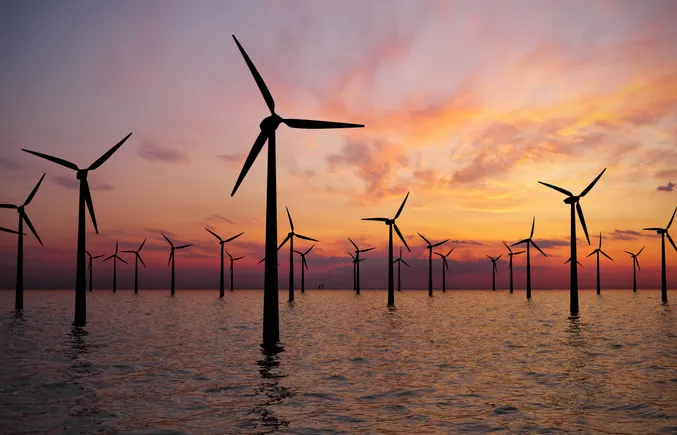
Biden's Clean Energy Policies Yield Significant Results, Whether Trump's Agenda Can Reverse Faces Real-World Test
During President Biden's tenure, measures such as the Inflation Reduction Act drove a clean energy revolution in the United States, attracting hundreds of billions of dollars in investment and creating over 330,000 jobs. After Trump's re-election, he plans to abolish related core policies, but opposition within the Republican Party, corporate dependence, and AI-driven growth in electricity demand may make his reversal path challenging.

How Artificial Intelligence Is Reshaping the Future of Sustainable Development
The rapid development of artificial intelligence is profoundly changing the way industries operate, and its impact on sustainable development is particularly significant. PwC's 2025 AI Business Predictions show that AI will become a value engine and key driver of sustainable development, helping companies address investor concerns regarding carbon reduction, supply chain resilience, and the adoption of renewable energy. Based on the views of Sammy Lakshmanan, PwC's leader for sustainability, this article explores the specific applications of AI in the energy transition, compliance simplification, and strategic decision-making, and points out that companies need to align AI initiatives with sustainability goals while also managing AI's own environmental costs.

Reliable ESG Data Collection: People Are as Important as Technology
The refinement and increasing complexity of ESG disclosure requirements have led to a surge in the volume of data that companies need to collect and organize. Despite continuous advancements in software tools, flaws in human processes can still hinder data quality. This article explores the balance between technology and human effort and offers three recommendations for evaluating and integrating new platforms.
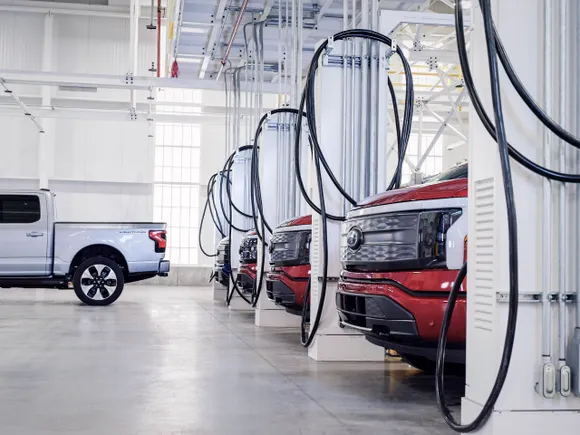
The transition to electric vehicles takes time, which is to be expected
The transition to electric vehicles is not an overnight process. The average age of vehicles in the United States exceeds 12 years, and with a fleet of over 283 million vehicles, market penetration will take decades. In the third quarter of 2024, electric vehicles accounted for 8.9% of new car sales, higher than the same period last year, but the overall market is still in its early stages. Supporting efforts such as charging network construction, grid upgrades, and policy adjustments also require time. Experts suggest that the time constraints should be acknowledged, and comprehensive preparations in production, infrastructure, and market mechanisms should be advanced within the transition window.

COP29 and the Global Energy Transition: Analysis of Corporate Strategic Priorities
With over 32,000 delegates gathering in Baku, Azerbaijan for COP29, global climate action has entered a critical phase. Based on observations from Workiva's Chief Sustainability Officer Mandi McReynolds, this article analyzes how companies are responding to increasingly stringent ESG reporting requirements, seizing strategic opportunities in the energy transition, and looking ahead to the key time window before COP30.

COP29 Chief Operating Officer: Sustainability and Inclusion Are the Core Concerns of the Summit
At the COP29 summit held in Baku, Azerbaijan, the operations team, guided by seven principles including carbon neutrality, accessibility, and inclusivity, strives to create a sustainable and inclusive global climate conference through measures such as renewable energy, electric buses, zero-landfill waste management, and the first sign language interpretation.

ESG leaders are not backing down amid increasing scrutiny
Amid greater scrutiny of ESG, corporate leaders have not abandoned related investments but have become more ambitious, albeit with a lower profile. They are integrating ESG with CSR, advancing sustainable development goals through enhanced communication, leveraging the credibility of nonprofit organizations, and employee engagement.

Four Technology Strategies to Help CFOs Navigate the Complex ESG Regulatory Environment
As global sustainability disclosure regulations tighten, companies face pressure to collect, calculate, and report greenhouse gas data. Technology can help CFOs address these challenges, including improving carbon footprint management efficiency, enhancing data validation, simplifying Scope 3 reporting, and supporting advanced trend analysis.
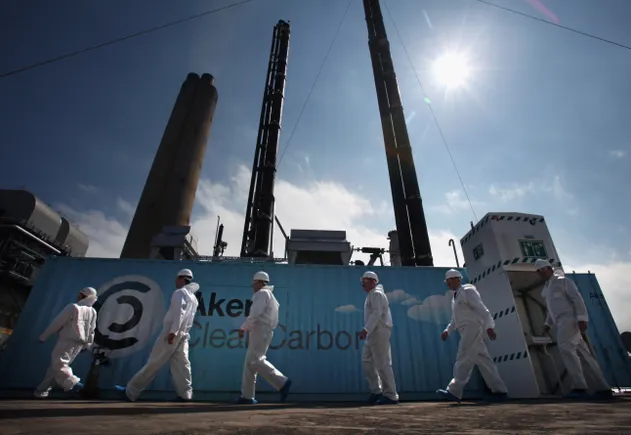
Carbon Capture Commitments Meet Reality Check: Project Data Severely Inconsistent with Promotional Claims
The U.S. Department of Energy's (DOE) support for carbon capture and storage (CCS) technology is based on unverified technical assumptions. Taking the Four Corners coal-fired power plant in New Mexico and the Sutter gas-fired power plant in California as examples, their designed capture capacities exceed the historical maximum emissions of the plants, and the claimed 95% capture rate lacks operational experience to support it. IEEFA analysis points out that plant aging, load fluctuations, and cost disadvantages make it difficult for CCS to become a climate solution.