
COP29 Chief Operating Officer: Sustainability and Inclusion Are the Core Concerns of the Summit
At the COP29 summit held in Baku, Azerbaijan, the operations team, guided by seven principles including carbon neutrality, accessibility, and inclusivity, strives to create a sustainable and inclusive global climate conference through measures such as renewable energy, electric buses, zero-landfill waste management, and the first sign language interpretation.
Editor's Note:Narmin Jarchalova is the Chief Operating Officer of COP29 and Chair of the COP29 Azerbaijan Operating Company. She previously served as Project Manager of the Azerbaijan Pavilion at COP28.
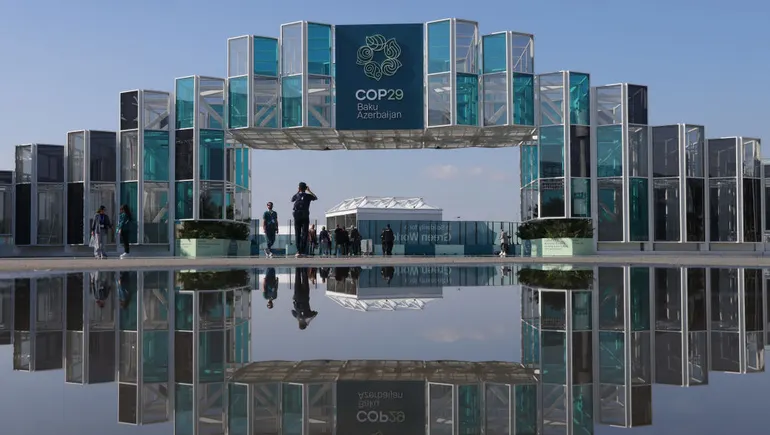
As delegates from around the world gather in Baku, Azerbaijan, for COP29 to seek substantive progress on global climate action and climate resilience, we—the conference operations team—are committed to fostering an environment that embodies sustainability and inclusivity across every aspect of this global gathering.
Every operational decision we make is guided by seven key principles: carbon neutrality, accessibility, legacy and continuity, inclusivity, transparency and accountability, safety for all, and the promotion of sustainable practices.
These principles were shaped through a comprehensive substantive assessment and extensive consultations with internal and external stakeholders. COP29's substantive assessment engaged a diverse range of groups, including government agencies, businesses, civil society, and international partners. The assessment identified priority areas, including reducing carbon emissions, improving accessibility, minimizing waste, and leaving a legacy of sustainable infrastructure for Baku. We also benchmarked our sustainability performance against best practices from previous COP summits and other major international events, integrating key lessons into every level of our operational planning.

Based on the assessment results, one of COP29's key focus areas is energy consumption: prioritizing the procurement of renewable energy for the conference and expanding transportation options, including the introduction of electric buses and dedicated micro-mobility lanes, to reduce the overall carbon footprint of the event.
Another key area is the engagement of suppliers and value chain partners, as close collaboration between these parties (including food suppliers) is essential to hosting a sustainable conference. We emphasize the importance of waste management to all suppliers and require them to use eco-certified materials.
Measures taken by COP29's operations and planning departments to enhance venue sustainability include: adopting a customized accounting methodology to monitor the conference's greenhouse gas emissions; implementing carbon footprint reduction measures within operational control; and utilizing fully certified carbon credits to offset emissions beyond our control.
Among other emission reduction measures within our control, a significant portion of the venue's energy needs is met through the use of hydrotreated vegetable oil. This provides a cleaner alternative to conventional fuels, ensuring that critical areas such as lighting, HVAC systems, and equipment are powered sustainably.
To further reduce the conference's carbon footprint, we are implementing a waste management strategy aimed at achieving zero waste to landfill—another key focus of our efforts to host a sustainable conference and utilize local facilities. Strategically placed bins for food waste, recyclables, and electronic waste are located throughout the venue, with trained volunteers on hand to guide attendees on proper disposal. In partnership with Clean City OJSC (the entity responsible for waste disposal in Bakuthe "Tamiz Shahar" Open Joint Stock Company initiative), we ensure that any non-recyclable waste is sent to waste-to-energy facilities, contributing to local energy production and further reducing environmental impact.
The COP29 operations team has also introduced a range of eco-friendly mobility options, including free access to the Baku metro system and a new fleet of 160 electric buses, making delegate travel more convenient while further reducing emissions. Hybrid taxis and a 17-kilometer network of dedicated micro-mobility lanes for bicycles and scooters offer additional sustainable transport choices.
We want COP29 to be an accessible and welcoming environment for all, providing delegates with a seamless experience that enables them to work efficiently and productively toward our shared goal of enhancing ambition and driving action to address the climate crisis.
A key priority in supporting COP29's inclusive outcomes is adopting an inclusive operational approach. We have embedded the UNFCCC Code of Conduct and general principles of conduct into every aspect of our organization, ensuring that all participants can engage in a respectful, healthy, and safe environment.
Accessibility is a core part of our overall inclusive approach this year and is fundamental to creating a welcoming environment for all delegates. We have given comprehensive consideration to the different facilities that may be needed within the venue, including all-gender restrooms, prayer rooms, nursing rooms, and quiet rooms.
Drawing on lessons from previous COP summits, we have designed this conference's accessibility services, including increasing the number and entrances of wheelchair-accessible public viewing areas, and introducing several measures to ensure that attendees with mobility impairments receive support throughout the conference. For those with visual impairments, sign language interpretation will be provided during the conference—a first in the history of COP summits.
The COP29 operations team in Baku is committed to fostering an atmosphere that enables ambitious and meaningful talks and negotiations. We aim to set a benchmark for future conferences and leave a lasting legacy for Baku—one where every effort counts and every voice is heard.