
The transition to electric vehicles takes time, which is to be expected
The transition to electric vehicles is not an overnight process. The average age of vehicles in the United States exceeds 12 years, and with a fleet of over 283 million vehicles, market penetration will take decades. In the third quarter of 2024, electric vehicles accounted for 8.9% of new car sales, higher than the same period last year, but the overall market is still in its early stages. Supporting efforts such as charging network construction, grid upgrades, and policy adjustments also require time. Experts suggest that the time constraints should be acknowledged, and comprehensive preparations in production, infrastructure, and market mechanisms should be advanced within the transition window.
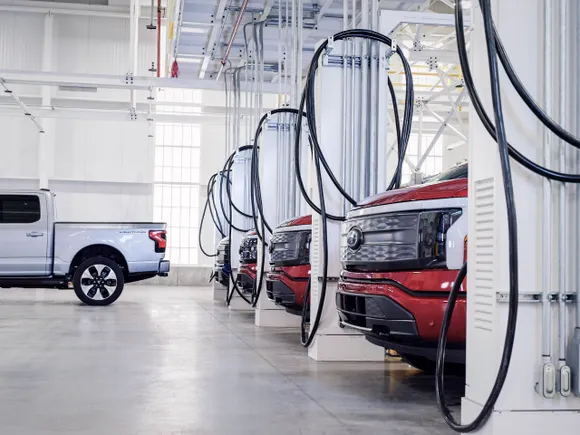
Over the past year, there has been a steady stream of reports about a slowdown in the electric vehicle industry. Indeed, the road has not been smooth: demand has fluctuated noticeably, and some manufacturers have faced difficulties matching production capacity with demand. Survey data also shows that consumers still have concerns. However, these issues are not unsolvable. If we take a longer view, looking beyond quarterly earnings reports or the daily news of policy fluctuations, overall demand for electric vehicles has actually been rising.
The transition from gasoline-powered vehicles to electric vehicles or other automotive technologies will inevitably take time. This is to be expected.
According to federal data, there are more than 283 million registered vehicles in the United States, including cars, buses, trucks, and motorcycles. The average age of light-duty vehicles (passenger cars and light trucks) is slightly over 12 years. The insurance industry estimates that U.S. car owners keep their vehicles for about 8 years on average. For most people, buying or leasing a car is a major financial decision made infrequently—roughly once or twice a decade. This explains why EV adoption is gradual: people don't change cars as often as they change smartphones or LED light bulbs, which have seen rapid adoption in recent years.
In the third quarter of this year, EVs accounted for 8.9% of new car sales, up one percentage point from the same period last year. Five years ago, that figure was below 2%. The used EV market is even more nascent, and its size depends on the number of previously new EVs available to new buyers.
Suppose we wave a magic wand: if all new car sales were EVs now—the 2035 goal set by a dozen states—it would still take at least a decade, or even longer, to fully transition to EVs. The reason is that hundreds of millions of individual and fleet purchases must be completed within the time constraints of vehicle turnover. This takes time.
Building charging stations also takes time. For reference, the U.S. Interstate Highway System took decades to build, and there is still work to be done on how highways interact with communities. Rural electrification in the U.S. also took decades. The EV transition is no less ambitious than these examples—it is both a consumer technology and an infrastructure construction project.
Matching vehicle production with consumer demand (which is not unique to EVs) and expanding charging options to where people live, work, and travel are complex and interrelated issues. This is a dynamic market with many participants. Replacing gasoline vehicles with EVs or other low-carbon technologies where feasible was never going to happen overnight, in five years, or in ten years. According to one forecast, we might reach market parity between EVs and gasoline vehicles by the late 2030s. Federal, state, and local policies play an important role in the EV space and in the timeline of adoption. Federal incentives have been inconsistent over the years, and this uncertainty also affects timelines.
Why consider moving away from internal combustion engines where feasible in the first place? EVs have lower emissions—even accounting for the emissions intensity of manufacturing—require less maintenance (no oil changes, fewer moving parts), and their batteries can serve as power sources in emergencies. No technology is perfect, but EVs have clear advantages. The same goes for hybrids and plug-in hybrids. Other technologies and fuels may also play a role in future transportation. Of course, for overall transportation network improvement, we need more options such as walkable communities, dedicated bike lanes, and public transit, while increasing the electrification rate of personal and fleet vehicles.
The timeframe dictated by vehicle ownership cycles and the stock of hundreds of millions of vehicles in the U.S., while challenging for rapid emissions reduction, also allows us to strategically advance EV development. Despite the influence of daily news and financial realities, emphasizing time constraints enables us to prepare collectively: upgrading the grid for more electricity consumption, orderly expanding EV production and creating more affordable options, strategically building charging infrastructure, fostering a competitive automotive market, standardizing charging connectors, designing electricity rate plans tailored to EVs, cultivating an EV workforce, educating consumers about the technology, planning for battery end-of-life disposal, establishing long-term funding mechanisms to address potential declines in gasoline tax revenue, and leveraging the next technological breakthrough.
There is much to do. But progress is happening in these areas that require long-term planning and investment. There are now more than 3.5 million EVs on U.S. roads, with dozens more models available than a decade ago. EV charging infrastructure is also growing.
The transition to more EVs is not inevitable. What is certain is that it requires patience and coordination. Even with 100% EV sales envisioned, the inherent time constraints of vehicle turnover mean that achieving full electrification will take decades. We should use this time effectively, planning accordingly and realizing the benefits. The prospects are worth the patience and persistence.