
Opinion
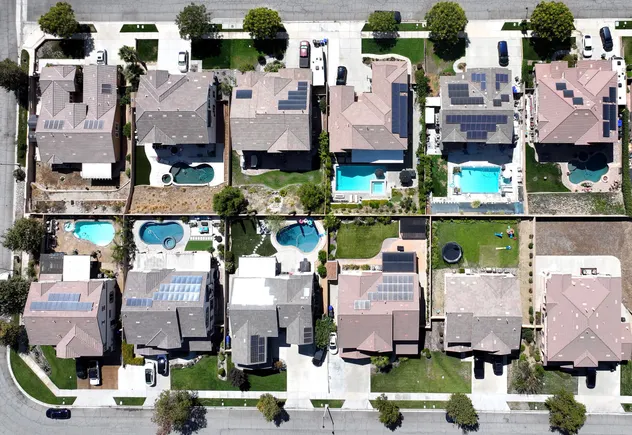
States must advance technology-neutral permitting to support clean energy
With unprecedented setbacks to federal clean energy incentives and renewable energy projects, state legislatures have become the last line of defense for clean energy deployment. Poorly designed automated permitting bills could entrench bureaucratic gridlock and stifle innovation. The key lies in adopting technology-neutral standards rather than designating specific platforms. California's SB379, which mandates the use of SolarAPP+, highlights the risks of technology designation, while Texas and Florida have chosen technology-agnostic legislative paths. States must immediately pass technology-neutral automated permitting bills to promote competition, reduce costs, and accelerate the clean energy transition.

Why ESG matters for multifamily developers, investors
Over the past decade, ESG considerations have become increasingly prevalent in commercial real estate development. For multifamily developers and investors, ESG is not merely an extension of green building certifications but has become a key criterion in investment evaluation. Written by two experts from Buchalter law firm, this article dissects the three dimensions of ESG and highlights key issues such as insurance costs and coverage, environmental pollution liability, and business interruption risks, advising owners and investors to protect asset value through rigorous environmental due diligence, appropriate insurance arrangements, and resilient investments.
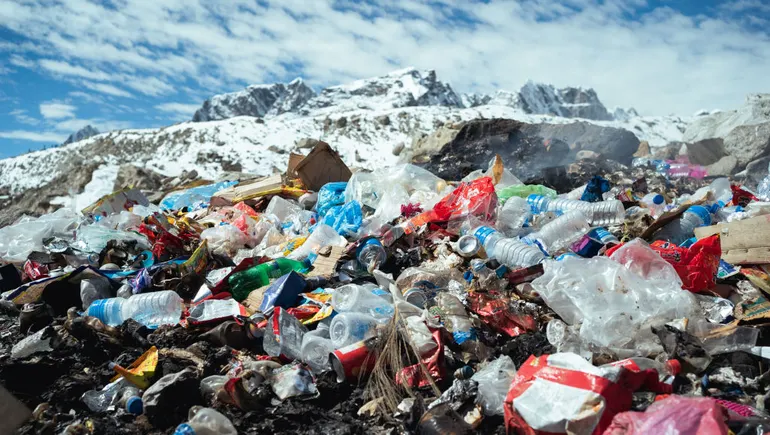
How companies can rely on smart packaging to cut food waste, emissions: Elopak CEO
Globally, over 1 billion tons of food are wasted each year, accounting for 10% of global greenhouse gas emissions. Elopak CEO Thomas Körmendi believes that packaging—especially aseptic and fresh packaging technologies—is a key line of defense against this challenge. Drawing on data from the United Nations, the World Bank, and others, the article analyzes regional differences in food waste, the dilemma of plastic pollution, and the potential of paper-based packaging in reducing emissions.

Evolution of sustainable investing: Real versus alternative facts in finance
Drawing on 25 years of industry experience, Julie Gorte describes how sustainable investing moved from being questioned to the mainstream, only to face politicized attacks in recent years. She points out that sustainable funds have proven capable of delivering competitive returns but are often held to a double standard; meanwhile, issues such as climate change, diversity, and biodiversity are real and important investment considerations.

How facilities can boost ESG-friendly furniture decommission gains 91%
The United States generates over 12 million tons of furniture waste annually, with approximately 9 million tons ending up in landfills. Facility managers often underestimate the actual climate benefits of sustainable furniture retirement. This article explores how supplementing life cycle assessment methods can increase emission reduction data in ESG reports by 91%.
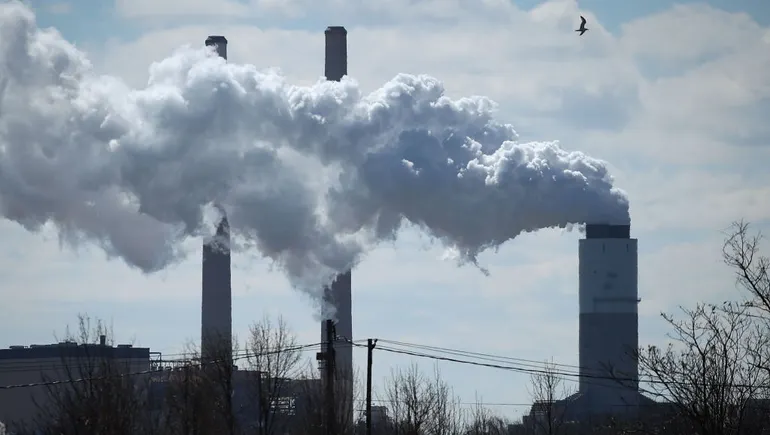
The language of carbon — why words are now the frontline of climate credibility
Carbon terminology, once confined to sustainability teams and annual reports, has now become a focus of public and regulatory attention. From Delta Air Lines' lawsuit to the UK CMA's fining powers, and the EU's proposed Green Claims Directive, linguistic missteps can invite legal and reputational risks. Companies need to abandon vague "carbon neutrality" claims and adopt humble, verifiable, and clear wording to rebuild trust and foster a healthier market.

Corporate Sustainability in the Age of Regulatory Fatigue: Navigating the Policy Fog
As some sustainability regulations in the US and EU are rolled back, companies find themselves in a gray area between self-regulation and a policy vacuum. Pierre-Francois Thaler, co-founder of EcoVadis, writes that although 87% of US companies maintain or increase sustainability investments, only 13% can meet four major regulations on time, including the CSRD, CBAM, California SB 253, and Canada's Modern Slavery Act. The article calls for replacing rigid compliance with "smart regulation" that is outcome-oriented, recognizes innovation, and adapts flexibly, to avoid a regression in sustainability progress.

Compliance Countdown: Interpreting Common Questions on California Climate Disclosure Regulations
The California Air Resources Board (CARB) released frequently asked questions on July 9, 2025, providing guidance for the implementation of two climate disclosure laws, SB 253 and SB 261. This article outlines the scope of coverage, key definitions, reporting timelines, and recommendations for corporate response.
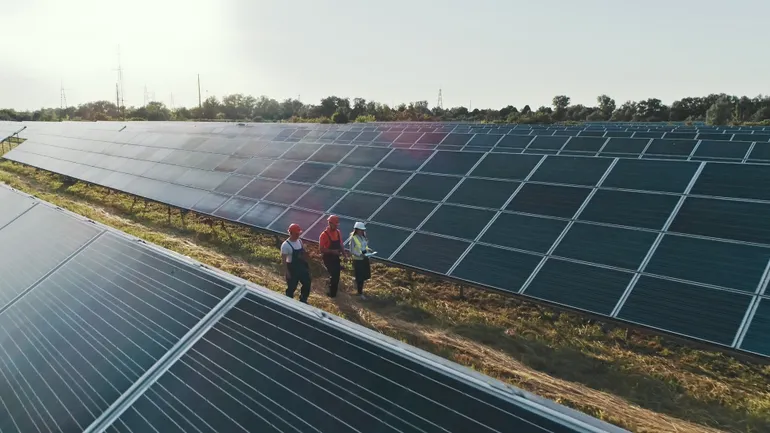
How Retail Energy Suppliers Can Respond to Federal New Energy Policy Adjustments
Following federal executive orders that suspended new investments in wind and solar projects, tightened federal land leasing, and imposed tariffs, clean energy manufacturers canceled, closed, or scaled back nearly $8 billion in projects in the first quarter of 2025. Meanwhile, fossil fuel expansion policies have accelerated. Retail energy suppliers are under pressure from heightened price volatility and rising compliance costs. This article recommends that suppliers adopt three core strategies: purchasing renewable energy certificates in advance to hedge against price increases, using predictive analytics and real-time data to optimize natural gas hedging decisions, and locking in premium customer share through smart technology and long-term power purchase agreements, thereby building long-term resilience amid policy uncertainty.

Green Buildings: The Often-Overlooked Haven in Storms
Consumer confidence is declining, inflation expectations are high, and recession risks are rising, yet the green building market shows unique resilience. Historical data shows that during the 2008-2010 crisis, the U.S. green building market grew counter-trend by 50%. Against the current backdrop of an office vacancy rate of about 20%, demand for green office space can only be met at 34%. The advantages of localized procurement and low-carbon materials make green buildings more cost-stable under tariff shocks.