
Deep Dive
来自我们记者的行业洞察

Why Women Founded Banks: From Historical Barriers to Financial Inclusion
Female business owners have historically faced gender discrimination in lending, such as "leg loans" and mandatory male co-signers. Today, women-founded banks like First Women's Bank, Agility Bank, and Fortuna Bank have emerged to fill the capital access gap. Drawing on interviewees' experiences, the article analyzes these banks' missions, expansion strategies, and the pandemic's impact on women-owned businesses, noting that serving women-owned businesses is "good business" rather than "diversity theater."

New Regulations Target Greenwashing in the Fashion Industry: Regulatory Framework Needs Tightening
As consumer skepticism over environmental claims intensifies, the U.S. Federal Trade Commission (FTC) plans to revise the Green Guides issued in 2012, while the EU advances its Green Claims Directive. Using the H&M case, this article analyzes the legal dilemmas of current greenwashing accusations, regulatory trends, and industry impacts.

The 'Social' data in ESG is difficult to quantify, becoming a new challenge for corporate reporting
In recent years, the importance of social factors in ESG has risen, but the 'intangibility' of social data and the difficulty of collection have become major obstacles to corporate reporting. Regulatory pressure and investor demand drive disclosure, but issues such as data privacy laws and inconsistent metrics remain to be resolved.

Global ESG reporting frameworks converge after years of fragmentation
For years, companies have been confused by the multitude of frameworks and inconsistent standards in ESG reporting. Now, the ISSB has consolidated several mainstream frameworks, launched IFRS S1 and S2 standards, and received endorsements from IOSCO, the G20, and others. Many countries are considering or have already announced adoption, and global ESG reporting is moving toward a unified baseline.

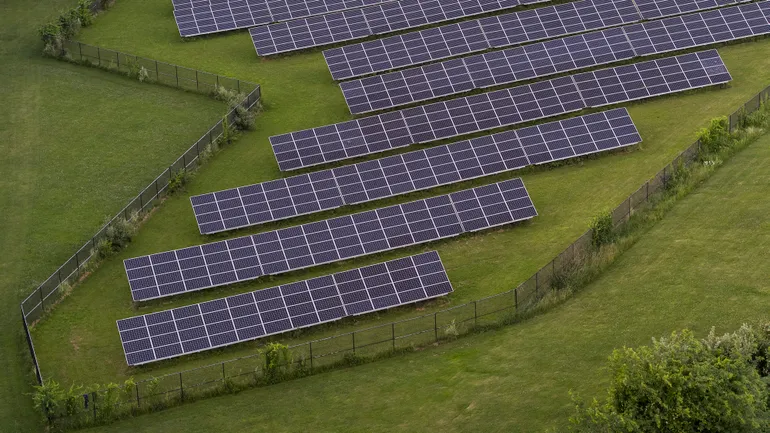
Who Bears the Cost of Supply Chain Decarbonization?
Approximately 75% of global greenhouse gas emissions fall under Scope 3, and supply chain decarbonization is costly, requiring an additional $3.5 trillion annually. Buyers and suppliers disagree on cost-sharing, with some companies using green bonds and supply chain finance to incentivize emission reductions, but many suppliers still face financial pressure.