Deep Dive
来自我们记者的行业洞察

Congress could soon revoke California’s vehicle emissions standards
The U.S. House of Representatives passed a resolution on May 1 attempting to revoke the EPA's motor vehicle emission waiver for California under the Congressional Review Act. The Senate may vote as early as next week, but the Government Accountability Office and the Senate parliamentarian have both ruled that the waiver is not subject to the CRA. Environmental and public health experts warn that this move would weaken incentives for clean car production, make it harder for states to meet air quality goals, and exacerbate public health risks.

US state legislatures take aim at fashion’s sustainability and safety concerns
Amid continued setbacks for federal fashion legislation in the United States, including the Americas Act, states are advancing textile and apparel-related laws on their own. California and New York recently passed two bills, while Massachusetts and Washington have introduced new proposals covering textile recycling and reuse, anti-retaliation protections for retail workers, supply chain transparency, and hazardous waste management. Nate Herman, Senior Vice President of Policy at the American Apparel & Footwear Association, noted that federal inaction due to congressional gridlock leaves the industry burdened with compliance reporting without real progress. This article reviews state legislative developments and their potential impacts.

Why climate alliance memberships are no longer ‘en vogue’ for Wall Street
As the U.S. political winds shift, Wall Street giants including Goldman Sachs, JPMorgan Chase, and Citigroup have recently exited climate organizations such as the Net-Zero Banking Alliance in rapid succession. Experts point out that political pressure, legal scrutiny, and a 'bandwagon effect' are the main drivers, but most institutions state they will still adhere to their own sustainable development goals.
Tech industry works to meet AI’s energy demands as ESG use cases grow
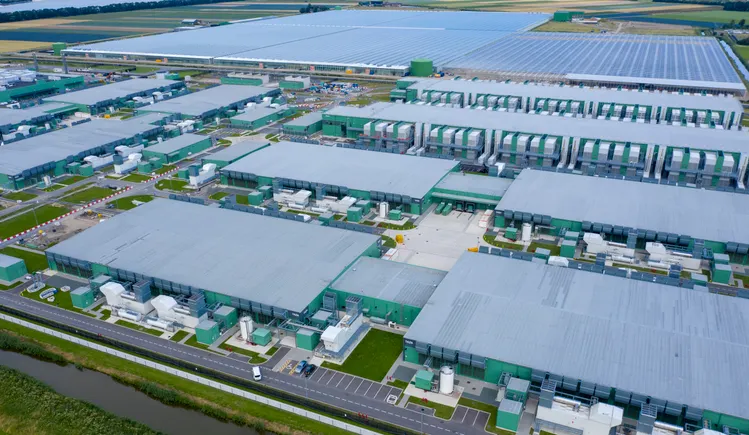
The application of artificial intelligence and generative AI in ESG and climate fields is becoming increasingly widespread, but the resulting energy demand and emission pressures may alter emission reduction trajectories and burden the power grid. In 2024, AI adoption and investment continued to rise, with data center electricity demand surging. Tech companies are increasing infrastructure investment while exploring clean energy solutions such as nuclear and geothermal power. Industry experts emphasize that responsible AI development must balance energy capacity, privacy, and accountability, and call for cross-enterprise collaboration to address shared challenges.
5 ESG trends sustainability professionals should monitor in 2025
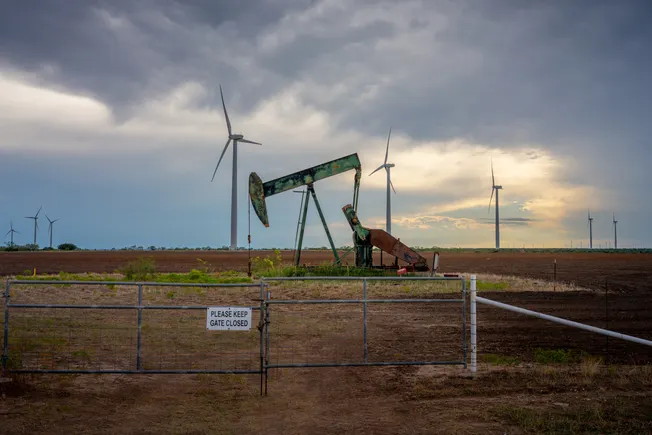
In 2025, federal-level ESG regulation in the United States may ease, but international and state-level rules will still drive corporate climate data disclosure. Major Wall Street banks are exiting net-zero alliances, corporate DEI commitments continue to shrink, and the energy demands of AI data centers are accelerating clean energy investment. Based on the latest developments, this article summarizes five ESG trends worth watching.


This summer saw many DEI rollbacks. What now?
In the summer of 2024, from SHRM's rebranding to Microsoft layoffs, and multiple companies and universities retracting DEI commitments, the DEI field experienced significant upheaval. This article analyzes the background of these events, shifts in consumer attitudes, and invites experts from organizations such as Dayforce and AMS to look ahead to DEI's development path in 2025.

No, not all companies are abandoning diversity, equity and inclusion. Here’s why.
Since Tractor Supply adjusted its long-standing DEI practices in June 2024, some retailers and brands have scaled back or terminated related programs, raising concerns about DEI trends. However, a Conference Board survey shows that about 90% of companies still maintain DEI commitments. Experts point out that most companies are responding to external pressure by adjusting their messaging or expanding program scope, rather than completely abandoning it. The article also explores the positive impacts of DEI on corporate compliance, innovation, financial performance, and talent retention, and warns of the potential costs of abandoning DEI.